


This article, written by María José Anitua, explores how Collaborative Law can be a catalyst for climate action and housing solutions through the Empty Homes Collaborative (EHC). With over 100 million vacant homes worldwide, repurposing them emerges as both a social and environmental opportunity. The EHC pilot in Vitoria-Gasteiz showed the potential of this approach: 10 homes reused, 40 people housed, nearly 400 tons of CO₂ emissions avoided, and tons of waste prevented. By applying collaborative legal frameworks, the project proved that addressing systemic barriers in housing can also support climate mitigation. Glenn Meier, president of the Global Collaborative Law Council, highlights the role of legal professionals in shifting from adversarial to collaborative models, enabling creative solutions that bridge social, economic, and ecological needs. The article concludes that scaling this model through research, partnerships, and innovation can turn the empty homes crisis into a driver for sustainable change.

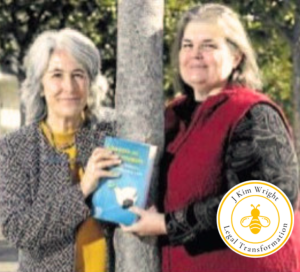
The article shares a conversation between María José Anitua and Glenn Meier about the Empty Homes Collaborative (EHC) and its impact on housing and climate. Glenn explains how Collaborative Law can transform the way we handle conflicts: instead of seeing parties as adversaries, it opens the door to creative solutions that benefit everyone. EHC is a living example, turning vacant homes into opportunities to house refugees while also reducing environmental impact. Large platforms aren’t always needed to spark change; even small, local initiatives can make a big difference. The key, Glenn notes, lies in professionals —especially those in the legal field— embracing a true mindset shift toward collaboration, where the greatest challenges but also the most transformative opportunities can be found.