
CCA / ACC

Conscious Collaborative Accords

Based on a way of being in the world with presence, honesty, and responsibility.

Although they are born in the shelter of the EHC project , the CCA they are not limited to its application in that context . They are a replicable and adaptable tool to transform the way we interact in multiple spheres.

What are CCA?

A collaborative innovation that bridges the legal and the human to redesign relationships based on structural trust and a shared purpose.

Agreeing based on trust, not fear.
A process to build clear, humane and purposeful relationships.
We sign to agree to create together.
Beyond Contracts

They are living ecosystems that:

  • Prevent conflicts
  • Activate smart cooperation
  • Generate regenerative impact for people, organizations, and
    communities

Strategic Alliance

They are living ecosystems that:

  • Advanced
  • Cooperative
  • Capable of sustaining libing and
    resilient accords

New Generation of Relational Innovation

In a world moving between the collapse of obsolete systems and the birth of new forms of human organization, CCA emerge as a tool to:

  • Tranform the way we connect
  • Make decisions together
  • Build collectively towards a resilient future

How we do

Conscious Collaborative Accords are processes that serve to build trusting relationships. It is about the parties getting to know each other before reaching an Accord, so that they seek their own solutions, based on collaborative law.
The key is mutual understanding and commitment and adapting to the needs of the parties, their interests and values in an innovate way. Simple language is used for the parties to understand.

PILLARS

A collaborative innovation that bridges the legal and the human to redesign relationships based on structural trust and a shared purpose.

Mutual knowledge means working better together
We cooperate, we don't compete

We care about impact

We seek deep connections
We believe in shared responsibility
Applied Methodologies

Collaborative Law and Negotiation

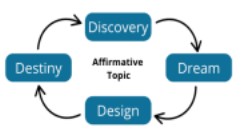
Appreciative Inquiry
Design Thinking
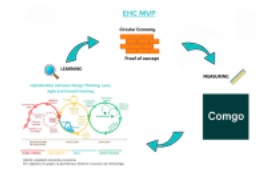
Agile y LEAN
The CCA Process: 4 Steps

Every Conscious Collaboration accord (CCA) follows a structured journey designed to build trust, alignment, and resilience.

Through four interconnected phases, we move from the foundations of shared purpose to the creation of living accords that adapt, prevent conflicts, and generate lasting impact.

Step by step: The CCA Journey

  • Before entering the accordt, internal calibration is activated as a basis for a new relational paradigm.
  • This phase combines self -consciousness, neuroscience and sensory information to measure and decipher behavior conflict patterns , clarify root values and internal motivations and clean underlying interference or conditions that can distort the link
  • Includes a first checking and authenticity check -up: verify that the disposition, intentions and relational energy are aligned as setting the foundations for conscious and sustainable collaboration.
  • The goal is for each part to reach the connection meeting having aligned internally, with a genuine and consistent disposition to sustain conscious accords.
  • It is the heart of the agreement: a space where the human and the structural one intertwine to build systemic trust.
  • Through the appreciative inquiry inspirational questions are generated that connect in full awakening creativity and allowing a shared vibration to emerge that is reflected through the design thinking.
  • It seeks not only to exchange information but to activate a common resonance that feels the basis of a sustainable relational coexistence.
  • The objective is to determine if there is the relational framework to advance, discarding processes where a genuine connection is not given.
    • This phase acts as a preventive filter, optimizing resources and promoting a culture of solid ties, where trust becomes the central asset.
  • Co-Design a road map, that transcends the notion of a static contract to become a living pact.
  • Not only resolves present interests but activates a relational system capable of evolving over time.
  • Aim consolidate the collaborative efficiency and resilience of the link so that collaboration evolves without depending on rigid structure.
  • Co-design a living frame for conflict management, that does not react late but prefers prevents and transforms potential tensions into opportunities for strengthening the link.
  • It is a revisable and adaptive flexible commitment that certifies the consistency of commitment to sign the accord.
  • The objective is to ensure that unforeseen events are managed constructively strengthening the relational ecosystem and protecting the integrity of the common purpose

Do you want to explore this journey?

Fill out this form and we will contact you for an exploratory session

Scroll to Top